
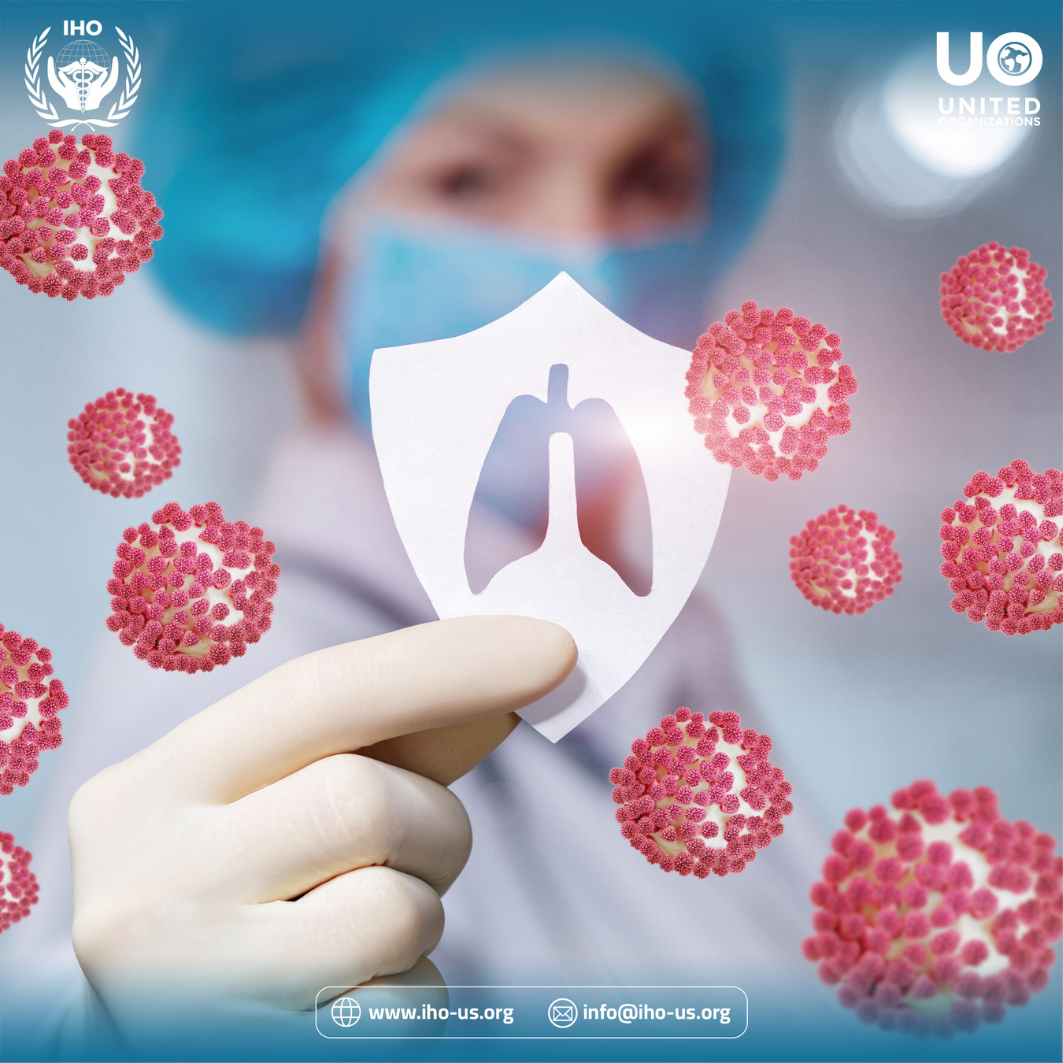

Tuberculosis (TB) is one of the oldest infectious diseases known to humanity and continues to pose a global health challenge, particularly in developing countries. It is caused by a type of bacteria known as Mycobacterium tuberculosis and primarily affects the lungs, although it can also impact other organs such as bones, kidneys, the nervous system, and lymph nodes. Despite the availability of effective treatment, prevention remains the cornerstone in controlling its spread.
First: Cause and Mode of Transmission
Tuberculosis is transmitted through the air when a person with active pulmonary TB coughs, sneezes, or speaks, releasing tiny droplets that contain the bacteria. Healthy individuals may inhale these droplets.
Not everyone exposed to the bacteria becomes ill immediately. In some cases, the bacteria remain dormant in the body for years without causing symptoms, a condition known as latent tuberculosis.
Second: Clinical Symptoms
Symptoms vary depending on the affected organ, but pulmonary TB is the most common form. Its symptoms include:
- Persistent cough lasting more than three weeks
- Coughing up blood (hemoptysis)
- Weight loss
- Night sweats
- Fever and general fatigue
Extrapulmonary TB presents with symptoms specific to the affected organ.
Third: Diagnosis and Treatment
Diagnosis relies on several methods, including:
- Clinical examination
- Chest X-ray
- Sputum analysis
- Advanced molecular tests such as GeneXpert
Treatment requires a combination of antibiotics for at least six months. Strict adherence to the treatment regimen is essential to prevent the development of drug-resistant TB, one of the most serious current health threats.
Fourth: Modern Prevention Methods
1. Vaccination (BCG Vaccine):
The BCG vaccine is administered to newborns in many countries and helps protect against severe forms of TB, particularly TB meningitis in children.
2. Early Detection and Preventive Therapy:
Early identification and prompt treatment of active cases are among the most effective prevention strategies. Preventive treatment is also provided to individuals with latent TB, especially those in close contact with active cases.
3. Advanced Diagnostic Technologies:
Rapid molecular diagnostic tools enable early and accurate detection, reducing the infectious period and allowing timely initiation of appropriate treatment.
4. Improved Ventilation and Infection Control:
In enclosed spaces and healthcare settings, improving ventilation, using masks, and implementing infection control measures are effective ways to reduce transmission.
5. Health Awareness:
Public awareness plays a crucial role in:
- Reducing social stigma associated with the disease
- Encouraging patients to seek medical care
- Promoting adherence to treatment
6. Research and Modern Innovations:
Ongoing efforts include the development of:
- More effective vaccines
- Shorter treatment regimens with fewer side effects
Our Commitment
As part of our responsibility toward society, the International Health Organization has worked to develop an integrated healthcare system based on quality, efficiency, and sustainability.
We have achieved tangible progress in improving healthcare services, expanding access, and enhancing the capabilities of specialized professionals in line with the highest international standards.
Our achievements are not merely numbers—they represent real impact reflected in individuals’ health and quality of life.
An organization that continues to work… toward a healthier society.

