
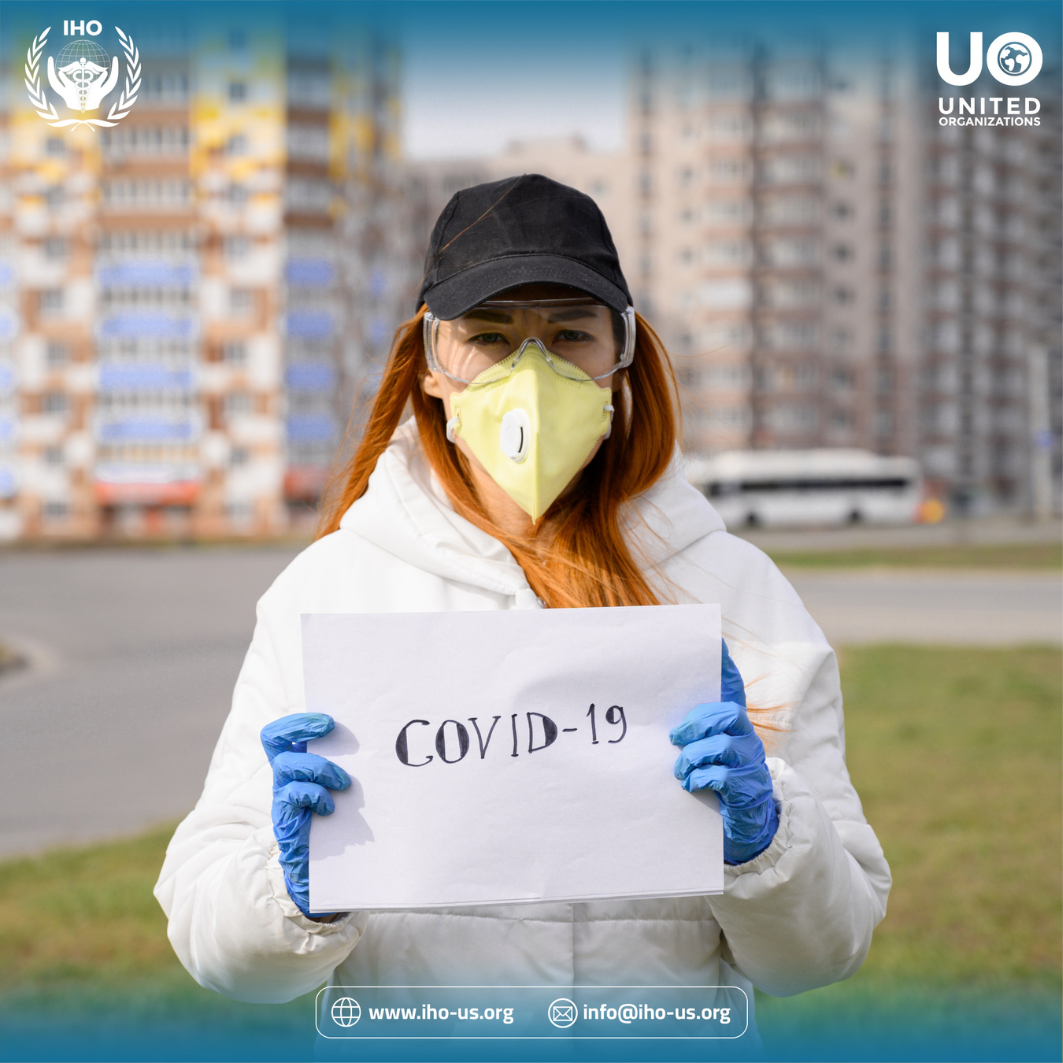

The SARS-CoV-2 virus, which causes COVID-19, continues to evolve, producing new variants with each replication cycle. These mutations occur naturally in RNA viruses and may influence transmissibility, immune response, and even vaccine effectiveness.
After variants such as Delta and Omicron became dominant, a new subvariant emerged in 2025 within the Omicron lineage known as NB.1.8.1, sometimes informally referred to as “Nimbus.”
What is the NB.1.8.1 Variant?
NB.1.8.1 is a subvariant of the Omicron strain and a descendant of the JN.1 lineage, which appeared in early 2025.
Global Spread
NB.1.8.1 has been detected in more than 20 countries, including the United States, China, the United Kingdom, and India.
It has contributed to rising case numbers in some regions, particularly in Asia, and has also been identified through airport screening of international travelers.
Epidemiological Behavior
This variant is classified as a “Variant Under Monitoring (VUM)” by the World Health Organization, meaning it requires close observation but is not currently considered a “Variant of Concern” associated with increased disease severity.
Laboratory studies suggest that NB.1.8.1 may have a higher ability to bind to human cells compared to some previous variants, using the spike protein to enter cells.
Clinical Severity
Current evidence indicates that illness caused by NB.1.8.1 is not more severe than other Omicron variants or common seasonal respiratory infections.
Symptoms
Reported symptoms are similar to typical COVID-19 symptoms, including:
- Cough
- Fever
- Fatigue
- Sore throat
- Loss of smell or taste
There have been informal reports of intense throat pain (“severe sore throat”), but this has not yet been scientifically confirmed.
Current Challenges with Emerging Variants
1. Increased transmissibility and spike mutations:
Variants like NB.1.8.1 continue to accumulate changes in the spike protein, the main target of the immune system and vaccines. Some mutations may enhance the virus’s ability to enter human cells.
2. Waning immunity:
Recent studies suggest that immunity from previous infections or older vaccines may be less effective against newer variants, leading to reinfections or mild breakthrough cases.
3. Weakening surveillance systems:
Reports indicate a significant decline in testing and genomic sequencing in many countries, making early detection and tracking of variants more difficult.
Latest Recommendations from Health Experts
Vaccination and Updates:
Updated seasonal vaccines (such as 2025–2026 formulations) are designed to target recent variants and remain effective in reducing severe illness and death.
Older adults and immunocompromised individuals are advised to receive booster doses when available.
Testing and Genomic Surveillance:
Strengthening monitoring systems and genomic sequencing is essential for early detection of emerging variants before widespread transmission.
Integration with Seasonal Disease Surveillance:
The World Health Organization recommends integrating COVID-19 monitoring with influenza and other respiratory disease surveillance systems.
Public Health Measures:
- Wearing masks in crowded places, especially during case surges
- Practicing hand hygiene
- Covering the mouth and nose when coughing
- Isolating when symptoms appear or infection is confirmed
These measures remain effective even with new variants.
Public Awareness:
Combating misinformation about the virus and vaccines, and promoting accurate information from trusted sources, is crucial to maintaining public health confidence.

