
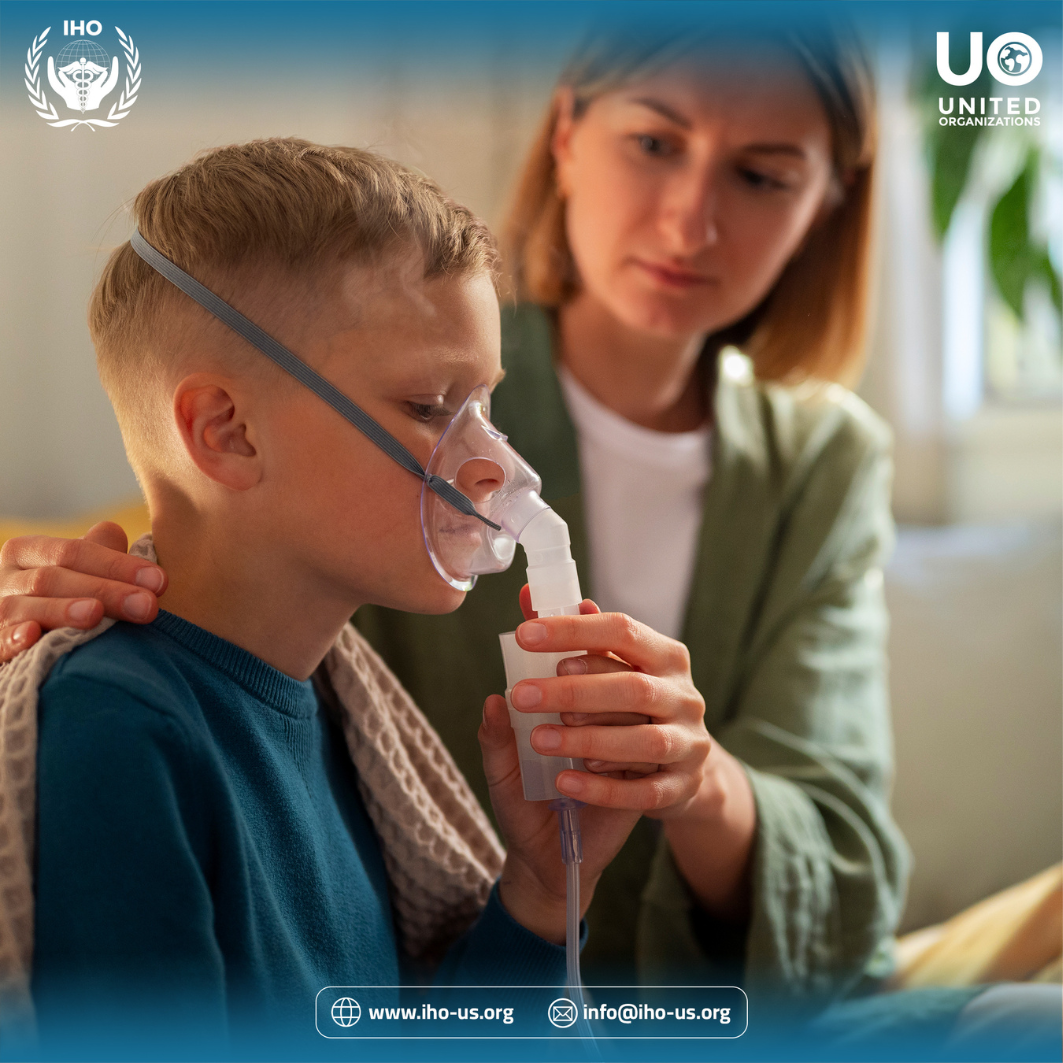

Respiratory diseases are among the most common health problems in children, as they directly affect their daily health, activity, and overall quality of life. Asthma and acute laryngitis (croup) are at the forefront of these conditions, each requiring proper awareness, accurate diagnosis, and appropriate management to ensure the child’s safety and reduce potential complications.
Asthma in Children
Asthma is a common chronic respiratory disease in childhood, characterized by inflammation of the airways and increased sensitivity to certain triggers. This leads to airway narrowing and difficulty in airflow. Asthma often begins at an early age, and its severity varies from one child to another.
Causes of Asthma:
Several factors contribute to the development of asthma in children, including:
- Genetic predisposition and a family history of asthma or allergic diseases.
- Exposure to allergens such as dust, dust mites, pollen, or animal dander.
- Recurrent respiratory infections in early childhood.
- Exposure to cigarette smoke and secondhand smoking.
- Air pollution and climate changes, especially cold weather.
Symptoms of Asthma:
Symptoms vary in severity and frequency and may be intermittent or persistent. They include:
- Recurrent coughing, especially at night or after physical activity.
- Wheezing (a whistling sound in the chest).
- Shortness of breath or difficulty breathing.
- Chest tightness or pain.
- Easy fatigue during play or physical activity.
In some cases, symptoms may progress into severe attacks that require immediate medical attention.
Diagnosis and Control:
Asthma is diagnosed through a comprehensive clinical evaluation, including medical history, physical examination, and lung function tests when possible. Although asthma is a chronic condition, it can be effectively controlled through adherence to treatment, avoidance of triggers, and regular medical follow-up.
Acute Laryngitis in Children (Croup)
In addition to asthma, upper respiratory tract infections are common causes of breathing difficulties in children. Acute laryngitis (croup) is one of the most frequent conditions in early childhood.
Croup commonly affects children between 6 months and 5 years of age and is more prevalent during autumn and winter. Symptoms tend to worsen at night, and episodes may begin suddenly, often causing significant anxiety for both the child and caregivers.
Causes:
In most cases, croup is caused by a viral infection. Less commonly, it may be associated with an allergic reaction.
Symptoms:
Common symptoms include:
- A distinctive barking cough.
- Hoarseness of voice.
- Difficulty or labored breathing.
- Runny nose or fever.
In severe cases, warning signs may appear, such as:
- Bluish discoloration of the lips or face (cyanosis).
- Low oxygen levels.
- Marked increase in breathing difficulty.
Management and Treatment:
Most cases of croup are mild and can be managed at home by:
- Keeping the child calm and reducing crying.
- Exposing the child to cool air or warm steam.
- Keeping the child in an upright (sitting) position.
- Using fever-reducing medications when needed.
Severe cases require urgent hospital care for appropriate treatment.
Family Role and Prevention
The family plays a vital role in caring for children with respiratory diseases, whether chronic like asthma or acute like croup, by:
- Continuously monitoring symptoms.
- Adhering to the prescribed treatment plan.
- Maintaining a clean, irritant-free home environment.
- Coordinating with schools or daycare centers to ensure the child’s safety.
The International Health Organization emphasizes that health awareness, early diagnosis, and adherence to treatment enable children to live normal and safe daily lives while ensuring healthy physical and psychological development.
Medical Supervision:
Dr. Adnan Farroukh
Specialist in Pediatrics, Neonatology, and Infant Care

