
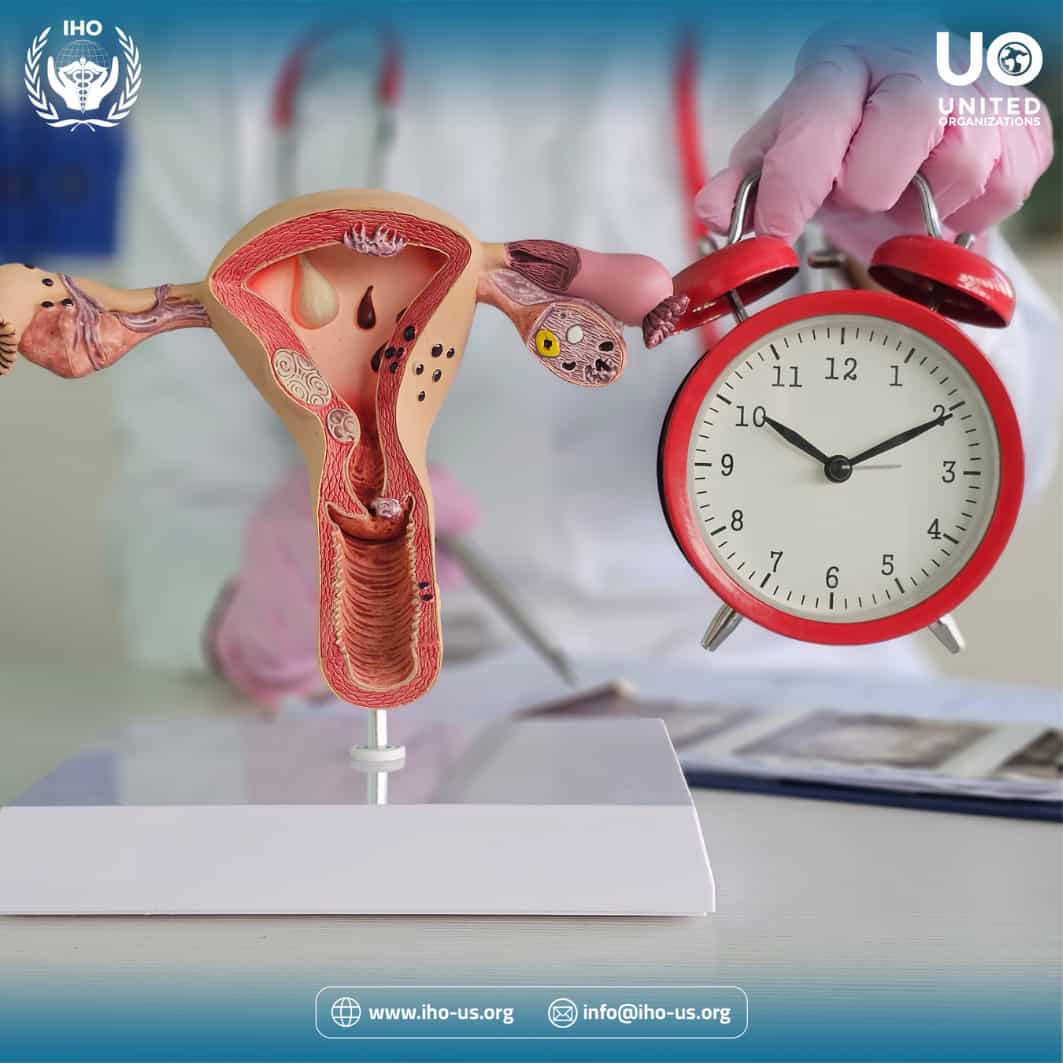

This paper presents a modern scientific perspective that views the menstrual cycle as an integrated regulatory system influencing psychological, physical, and cognitive health—not merely a reproductive function. Hormonal fluctuations act as a precise mechanism regulating the brain, immune system, heart, metabolism, and bones, making the cycle a vital indicator of overall health and an effective tool for personal prevention.
Hormones as an Integrated Regulatory System
Estrogen is not limited to fertility; it enhances memory, neuroplasticity, and mood, improves vascular function, strengthens bones, increases insulin sensitivity, and supports skin health. It rises during the follicular phase, boosting learning and focus, and peaks during ovulation when sensory and cognitive abilities reach their highest levels. It then declines in the luteal phase, accompanied by increased emotional sensitivity.
Progesterone acts as a neuro-calming hormone and sleep regulator. It raises body temperature and metabolic rate and enhances analytical thinking and social bonding during the luteal phase. Meanwhile, FSH and LH have broader roles beyond reproduction, influencing bones, fat metabolism, and brain function.
Cycle Phases as Natural Health Programs
- Follicular Phase: Improved learning, planning, insulin sensitivity, and bone health. This is the optimal time for high-intensity exercise and strength training.
- Ovulation: Peak sensory skills, motor coordination, creativity, and optimal immune function.
- Luteal Phase: Enhanced analytical thinking, complex problem-solving, improved semantic memory, and better sleep quality. There is also increased reliance on fat as an energy source, making it suitable for endurance sports and low-intensity activities.
Mental Health and Reframing Hormonal Changes
Mood changes are understood as healthy adaptations rather than dysfunctions. During the follicular phase, women tend to focus on personal goals, while in the luteal phase, there is increased focus on relationships and social analysis. Premenstrual syndrome (PMS) is interpreted as a form of hormonal sensitivity with varying patterns (anxiety, cravings, depression) that require accurate diagnosis rather than stigmatization.
Preventive and Therapeutic Applications
This model supports the development of chronomedicine, which considers hormonal timing in treatment. Some vaccines and surgical procedures may be more effective during the follicular phase, while certain treatments may have reduced toxicity in the luteal phase. Responses to psychiatric medications, as well as treatments for epilepsy and asthma, may also vary across the cycle.
This approach also applies to nutrition and exercise, as dietary needs (such as iron, protein, magnesium, and antioxidants) and optimal physical activities differ depending on the hormonal phase.
Disorders as a Synchronization Issue
Conditions such as polycystic ovary syndrome (PCOS), endometriosis, and luteal phase disorders can be understood as disruptions in hormonal synchronization. These imbalances affect metabolism, immunity, bone health, and mood, and are best addressed by restoring balance rather than merely suppressing symptoms.
The Cycle as an Early Health Indicator
Irregular cycles, severe PMS symptoms, or abnormal cycle length may serve as early warning signs of future risks related to metabolism, mental health, and bone health. Therefore, tracking the menstrual cycle is an important tool for early health monitoring.
The Role of the International Health Organization
The International Health Organization (IHO) emphasizes that mental health is an integral part of women’s reproductive and hormonal health. It advocates for integrating psychological support into women’s healthcare services, particularly during hormonal transitions such as the menstrual cycle, pregnancy, and postpartum periods.
The organization also recommends awareness programs to reduce stigma associated with menstrual-related psychological symptoms and to promote access to counseling and early intervention—especially in communities facing poverty, social pressure, or limited healthcare access.
Prepared by:
Dr. Sarah Adnan Ismail
Pharmacist – Medico Pharmaceutical Industries Laboratories

