
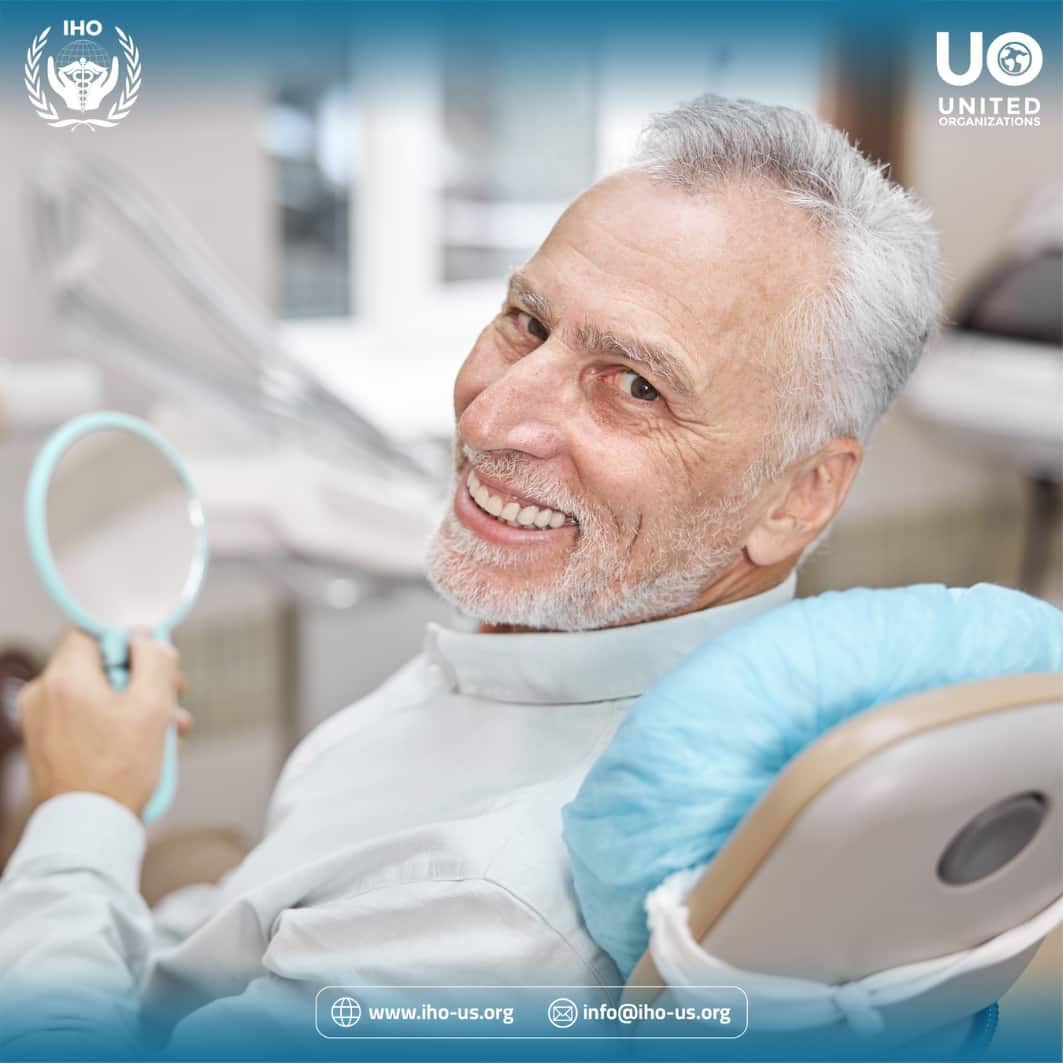

Oral health in older adults is a fundamental component of overall health, as it directly affects nutrition, digestive function, and quality of life. With aging, oral health challenges increase due to natural physiological changes, the accumulation of chronic diseases, and the use of multiple medications. This makes dental health a critical factor in maintaining independence and well-being in this age group.
Aging is associated with various oral changes, including a higher prevalence of chronic gum diseases, partial or complete tooth loss, gum recession with increased root caries, and the common occurrence of dry mouth caused by medications such as antihypertensives, antidepressants, and diabetes treatments. These changes affect not only the anatomical structure of the mouth but also its primary function—chewing.
Chewing is the first step in the digestive process, as it breaks down food and increases its surface area, facilitating the action of digestive enzymes. When older adults suffer from significant tooth loss or ill-fitting dentures, chewing efficiency declines markedly. This often leads them to avoid hard or fibrous foods such as fresh vegetables, fruits, and meat, relying instead on softer foods that are typically low in essential nutrients.
Numerous studies have demonstrated a clear link between dental health and malnutrition in older adults. Tooth loss is associated with reduced intake of proteins, fiber, and essential vitamins—particularly vitamins B12, C, and D. Higher rates of anemia, weakened immunity, and reduced muscle mass have also been observed among older adults with untreated oral conditions, increasing the risk of systemic diseases and negatively impacting functional ability and independence.
The effects of impaired chewing extend beyond nutrition to the digestive system. Swallowing inadequately chewed food places strain on the stomach and increases the likelihood of indigestion, bloating, and gas—common complaints among older adults. Conversely, maintaining healthy teeth or well-fitted dental prosthetics improves digestion and nutrient absorption, thereby enhancing overall health.
On the other hand, balanced nutrition plays a key role in maintaining oral health itself. Calcium and vitamin D help preserve alveolar bone, proteins support tissue repair, and vitamin C is essential for gum health. Adequate hydration also helps reduce dry mouth and stimulates saliva production, which serves as the first line of defense against tooth decay and infections.
In this context, the role of the dentist becomes crucial in caring for older adults by focusing on prevention, early treatment, preserving natural teeth whenever possible, and replacing missing teeth with appropriate solutions tailored to the patient’s overall health condition. Health education on oral hygiene and proper nutrition is also an essential part of comprehensive care.
In conclusion, oral health in older adults is not merely a local or cosmetic issue; it is a key factor influencing nutrition, digestion, and overall health. The integration of dental care and proper nutrition forms a vital foundation for healthy aging, improving both quality of life and independence among older individuals.
The International Health Organization (IHO) plays a central role in promoting oral health as an integral part of general health, particularly among older adults. In its Global Oral Health Strategy (2022–2030), the organization emphasizes that oral diseases—especially tooth loss and periodontal diseases—are among the most prevalent non-communicable conditions in this population and have a direct impact on nutrition, chewing ability, and quality of life. The organization calls for integrating oral health services into primary healthcare systems to ensure that older adults have access to regular check-ups, preventive care, and affordable restorative treatments.
It also highlights the importance of prevention through reducing sugar intake, promoting calcium- and vitamin-rich diets, and addressing shared risk factors between oral diseases and chronic conditions such as smoking, poor nutrition, and diabetes. Within the framework of “healthy aging,” the organization recommends developing national policies aimed at preserving oral function—including the ability to chew and speak—as essential elements of independence and dignity in older age.
This approach reflects the organization’s recognition that investing in oral health is a direct investment in overall health and quality of life in later years.
Prepared by:
Dr. Adham Ahmad Farroukh
Dentist – Specialist in Microscopic Endodontics

